SOLAR / SOLUTIONS / SYSTEM
One energy system
built around the property.
Residential solar, commercial solar, battery storage and EV charging are designed from the property context, not from a package list.
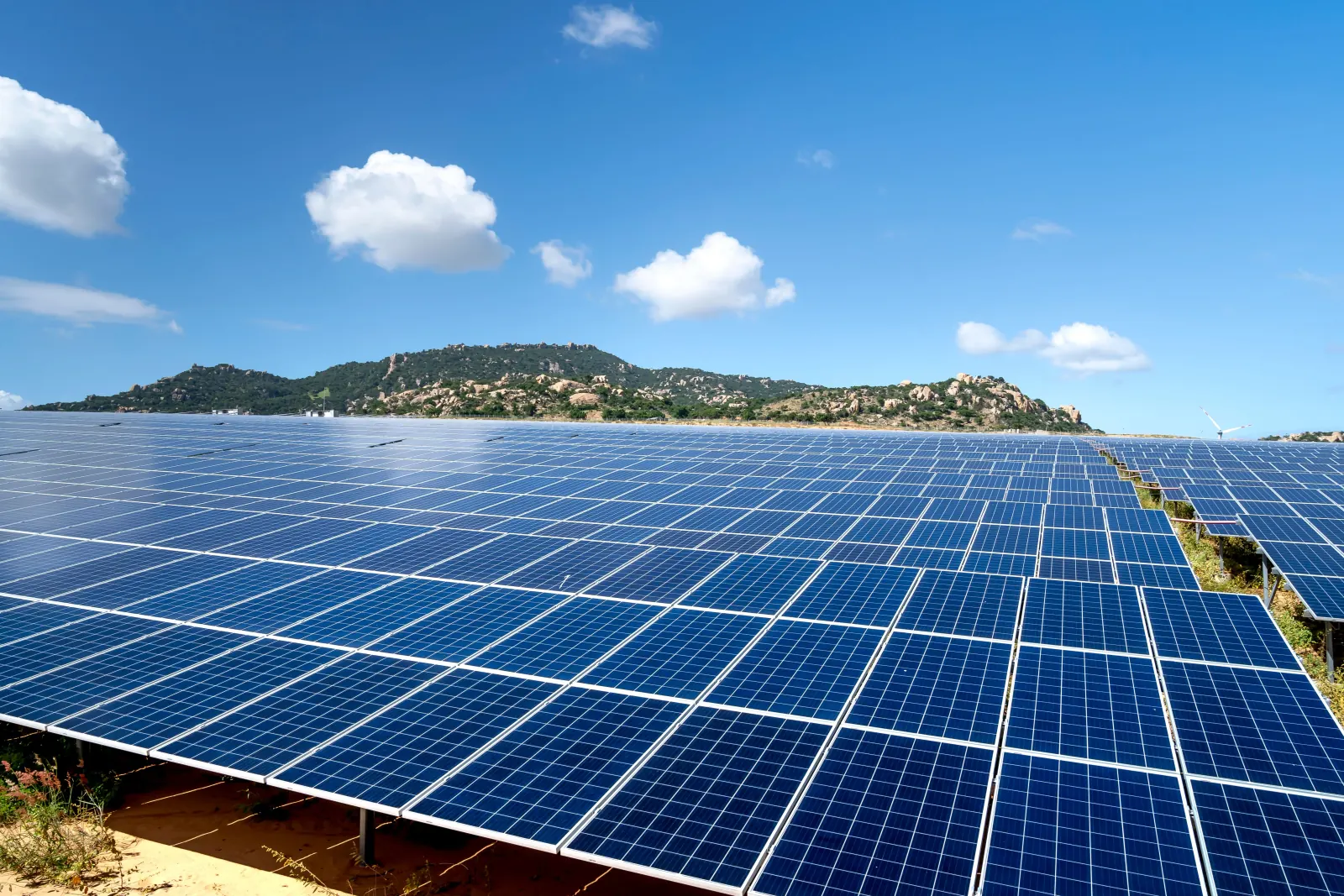
One connected energy system
Assess. Design. Deliver.
No generic package
The visible page starts with context, then makes the next decision clear.
Design logic
Three ways we can help
Most people come to us for one of these three. Pick the one that fits and read what it actually involves.
Planned, made and delivered with focus
A focused project can move quickly when the goal, decisions, and responsibilities are clear. We bring structure to the work, keep communication simple, and make progress visible from the start.
- Goals clarified and risks considered before we start
- Planning, progress updates and handover by the people doing the work
- Coordinated clearly with the right people and systems

Important changes are noticed early
Plans drift when priorities change and nobody has time to revisit the details. We review what matters, identify the gaps, and keep the work aligned as circumstances evolve.
- Regular review of priorities, plans, and progress
- A focused review that identifies gaps before they become blockers
- Records handled by us, not by you and the system
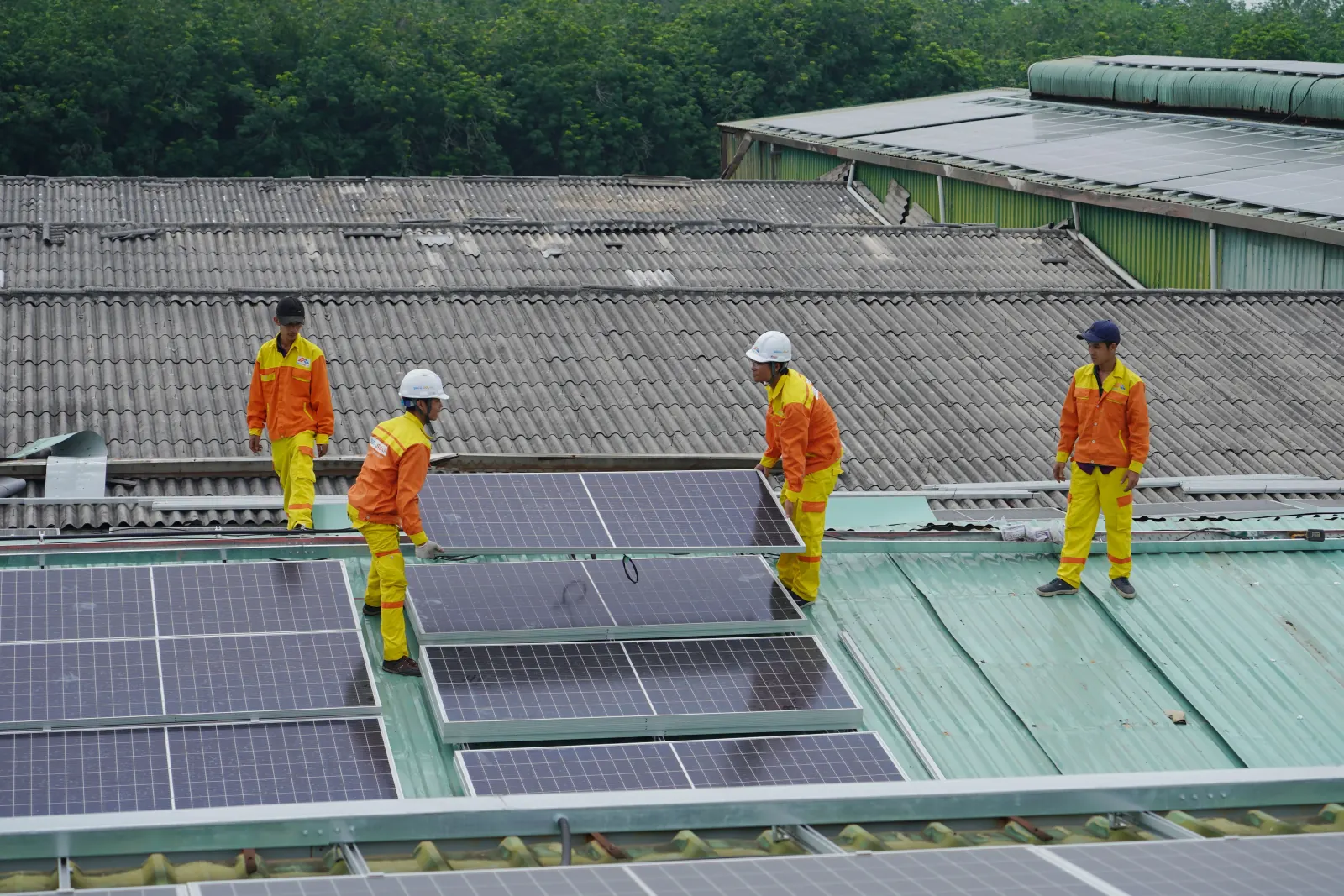
A clear read before the next decision
We review the goals, options, and effort involved, then recommend a practical route forward. Sometimes the best next step is to pause and simplify.
- Options, timing, and cost set out clearly before work begins
- Cost estimates with the assumptions shown
- Fee arrangements you actually qualify for
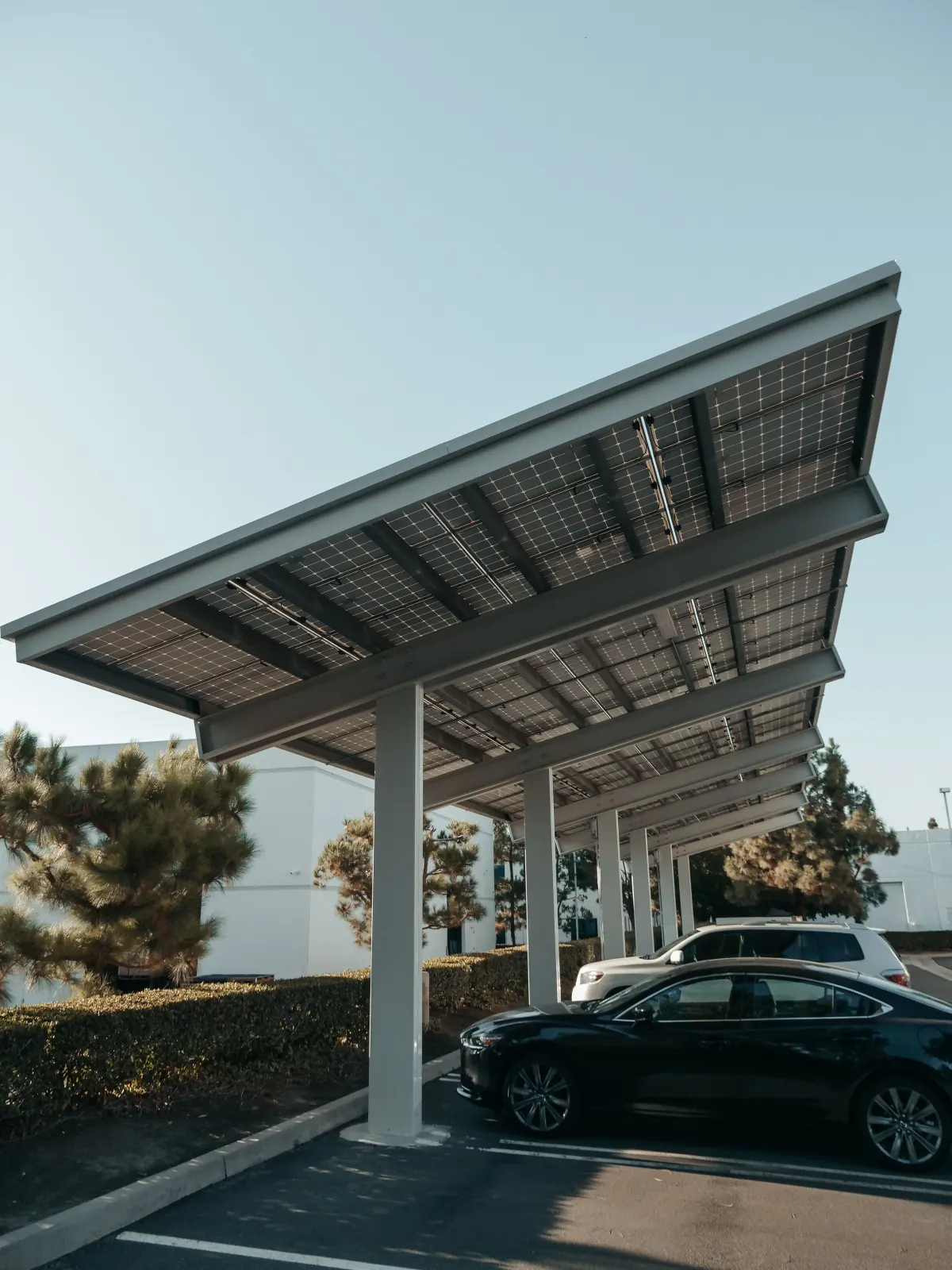
Before equipment is chosen
Questions worth asking before anyone sizes the system.
Keep the introduction concise and place the questions in one clearly framed stack.
How do you decide what belongs in scope?
Start with the goal, constraints, dependencies, users and timing. A useful scope is not simply the longest list of deliverables that can fit.
Do I need every optional module?
Not automatically. Optional work only makes sense when the objective, risk or operating context justifies it.
Can the solution be prepared for a later phase?
Future requirements belong in the brief. Dependencies, interfaces and available capacity can all be planned in advance.
What should a proposal actually show?
At minimum, the proposed scope, assumptions, responsibilities, delivery approach and any verified commercial or performance terms.
Next step
Start with the property, not with a package.
Turn the next step into a clear decision instead of another item waiting on a list.
Start here
Give the project a useful first move.
Start with the project brief or open a conversation first. Both routes stay clear and easy to choose.