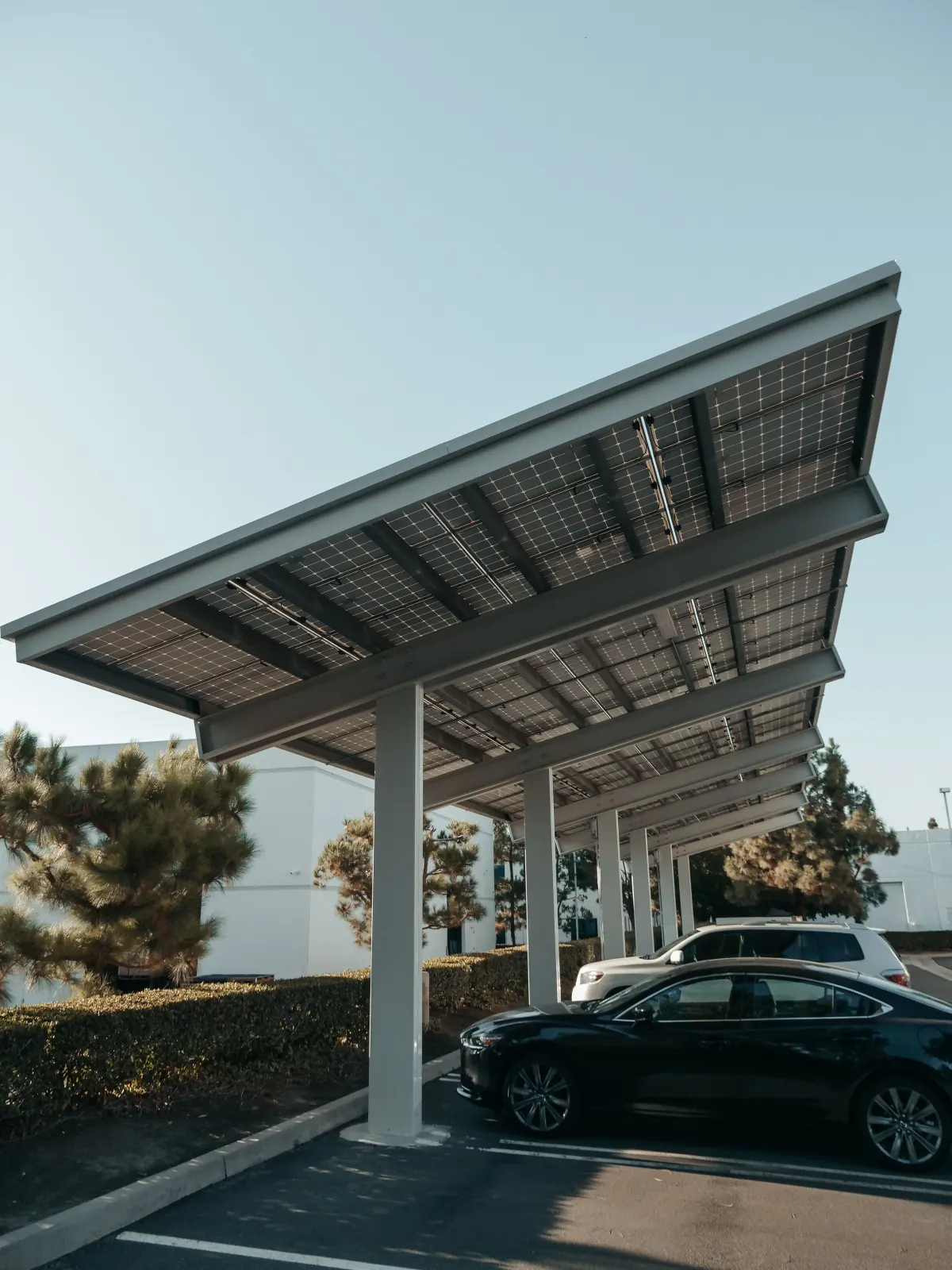
EV CHARGING / PROPERTY / DESIGN
Plan charging as part of the electrical system.
Available capacity, charging behaviour, solar generation and future vehicles belong in the same design decision.
Capacity. Load. Expansion.

Context before equipment
The design starts with what the property allows and what the user needs.
EV charging
Plan charging as part of the electrical system.
Available capacity, charging behaviour, solar generation and future vehicles belong in the same design decision.
01
Now
Current context and constraints
02
Next
Future needs or a larger operating scope
03
Later
Support strategy and reporting decisions
Delivery & implementation
Make the constraints visible before installation starts.
Keep the decision logic visible beside the project imagery, rather than letting the media overwhelm the service message.

Design priorities
Capacity. Load. Expansion.
The proposal should make the reason for every major design choice clear before installation is scheduled.
Every component needs a reason
Do not add equipment before the design explains the job.
Discovery, delivery, support and optimisation solve different problems. Scope and ownership should follow the objective.
Three delivery jobs
01
DEFINE
02
BUILD
03
SUPPORT
01
Assess the property
Put effort and resources where they create the most value.
02
Design the system
Define what must be delivered, documented and handed over.
03
Install and verify
Use checkpoints and reporting to keep delivery behaviour visible.
Specifications
System information to confirm before installation
| Item | Specification |
|---|---|
| Add a specification | Add the relevant value |
| Add a specification | Add the relevant value |
| Add a specification | Add the relevant value |
Add guarantees, certifications or notes
Use this optional section for source-specific conditions, documentation or explanatory notes.
Before you decide
Questions worth asking before anyone installs the system.
Keep the introduction concise and place the questions in one clearly framed stack.
How is the system size arrived at?
Start with the goal, constraints, dependencies, users and timing. A useful scope is not simply the longest list of deliverables that can fit.
Do I need a battery or every optional component?
Not automatically. Optional work only makes sense when the objective, risk or operating context justifies it.
Can the system be prepared for a later battery or EV charger?
Future requirements belong in the brief. Dependencies, interfaces and available capacity can all be planned in advance.
What should the solar proposal actually show?
At minimum, the proposed scope, assumptions, responsibilities, delivery approach and any verified commercial or performance terms.
Assessment first
Start with the property and its electricity use.
Send the property details and we will start with what can actually be established.
Start here
Give the project a useful first assessment.
Start with the project brief or open a conversation first. Both routes stay clear and easy to choose.